FinTech Interview with Ran Cohen CEO and Co-Founder of BridgerPay


FinTech interview with BridgerPay CEO and Co-Founder Ran Cohen, where he breaks down how AI orchestration and stablecoins are solving cross-border payment complexity.
Ran, You’ve spent more than two decades building fintech products and leading payment innovation. Could you tell us about your professional journey and what inspired you to co-found BridgerPay?
I’ve spent over 20 years building payment infrastructure and working with merchants around the world. One thing became very clear: payments were getting more complex, but the tools weren’t keeping up. Merchants were locked into providers, struggling with failed payments and fragmented systems. We built BridgerPay to change that to give businesses one intelligent layer that connects everything and helps them make more money from every transaction.
Why is stablecoin adoption accelerating in financial infrastructure rather than consumer payments, and what does this mean for the future of digital finance?
Because infrastructure is where the pain is. Cross-border settlement, treasury and liquidity are expensive and slow, and stablecoins solve real business problems there. Consumers don’t really care how money moves behind the scenes; they just want it to work. I think stablecoins will become part of the financial rails, even if most users never realize they’re using them.
Cross-border payments remain one of the biggest challenges for global businesses. How are stablecoins changing the economics of cross-border settlement, B2B payouts, and treasury management, and which industries stand to benefit the most?
Stablecoins reduce intermediaries, speed up settlement, and improve access to liquidity. That means lower costs and fewer delays. Businesses moving money globally such as marketplaces, travel, gaming, fintech, and enterprise SaaS stand to benefit the most because they deal with these challenges every day.
Cryptocurrencies were expected to transform eCommerce checkouts, yet adoption has been strongest in B2B financial operations. Why has this shift occurred, and where do digital assets deliver the greatest practical value?
Consumer behavior is hard to change. Businesses, on the other hand, adopt technology when it improves efficiency or saves money. That’s why we’re seeing much stronger adoption in settlement, payouts, treasury, and cross-border operations than at the checkout itself.
Payment orchestration has become a strategic business capability. How do AI-driven routing and access to multiple payment providers help merchants improve approval rates while reducing costs and complexity?
No PSP is perfect. The advantage is in the mix. AI helps merchants choose the best route for every transaction based on real-time performance, cost, and success rates. That means higher approvals, lower processing costs, and far less operational complexity.
As payment methods continue to diversify, how should merchants and financial institutions manage this complexity while delivering a seamless customer experience?
They shouldn’t manage hundreds of integrations manually anymore. The right approach is orchestration, namely one connection that gives you the flexibility to add payment methods, providers, and markets without rebuilding your infrastructure every time.
What role will stablecoins play in bridging traditional banking and the digital economy over the next five years?
I see stablecoins becoming another financial rail alongside traditional banking. Banks won’t disappear, but they’ll increasingly connect with blockchain-based settlement. The winners will be the businesses that can operate across both worlds without friction.
Beyond payment routing, where do you see AI creating the greatest opportunities to improve fraud prevention, compliance, customer experience, and operational efficiency in payments?
AI will move from reporting what happened to helping teams decide what to do next. Fraud, compliance, payment optimization, support, and operations all generate huge amounts of data. AI can turn that into faster decisions, better automation, and ultimately better business outcomes.
Which payment trends will define the future of global commerce over the next three to five years, and how can businesses stay ahead?
We’ll see more AI, more orchestration, more stablecoin infrastructure, and much greater use of real-time payment data. The businesses that stay flexible, diversify their payment stack, and make decisions based on data, not assumptions, will have a real advantage.
Finally, what advice would you give to fintech entrepreneurs and payment innovators who want to build solutions that address real business challenges and create lasting value?
Don’t build technology because it’s exciting. Build it because it solves a problem customers are willing to pay for. In payments especially, innovation only matters if it improves revenue, reduces cost, or removes complexity. Everything else is just noise.
Quote:- “I learned that most of the important things in life take much longer than you planned. Building a company, earning trust, becoming the person people can depend on none of it happens quickly. You make mistakes, you lose sometimes, you adjust, and you keep moving.”
Originally published on FinTecBuzz
Related news articles
October 20, 2026
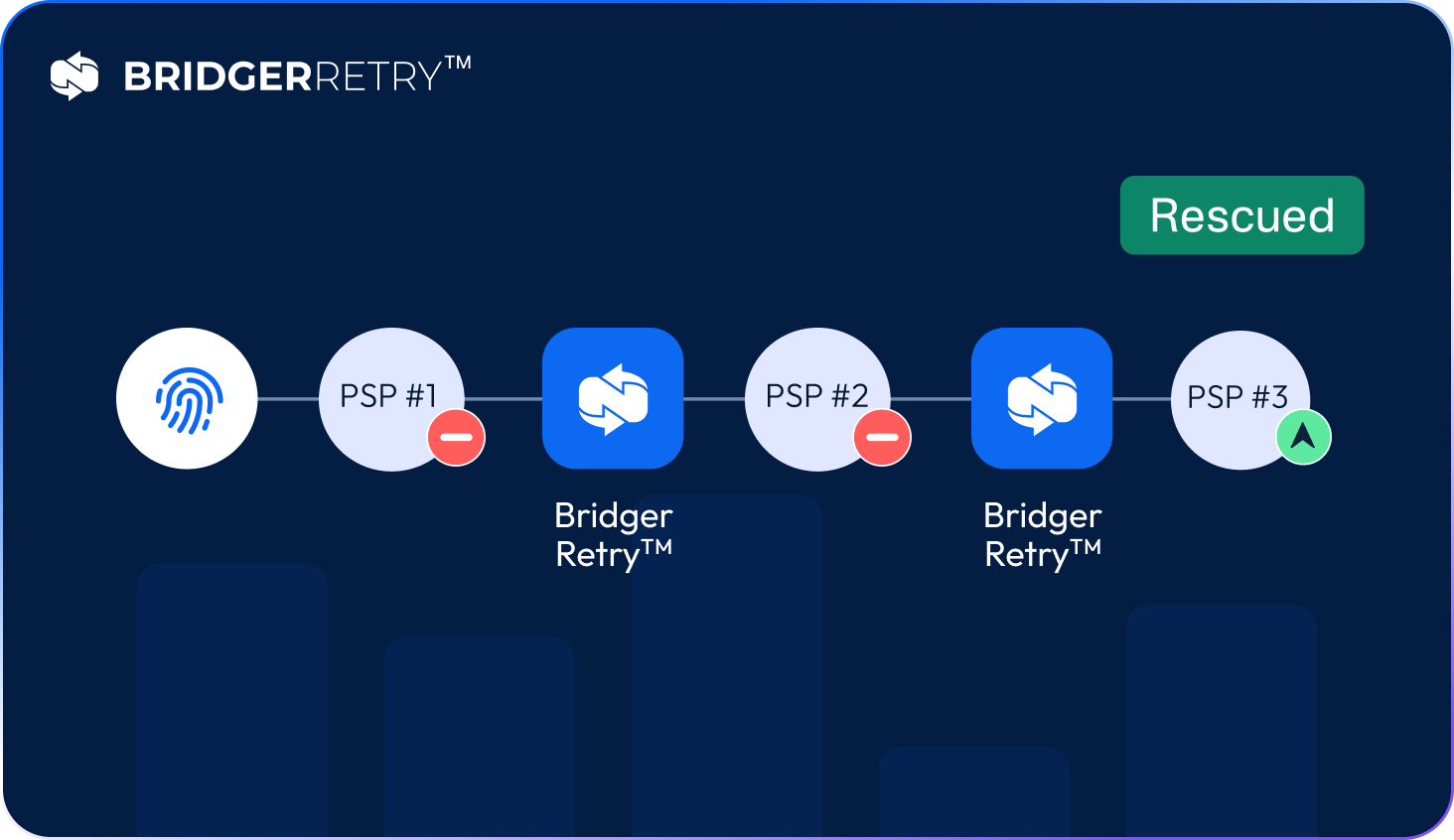
BridgerPay expands into retail, e-commerce, travel and hospitality as merchants take back control of their payments
The payment orchestration platform brings Bridger Retry™ to merchants outgrowing the single-provider model. It is the orchestratio

October 19, 2026
Hands In and Sports Events 365 launch multi-card payments, powered by BridgerPay
Hands In and Sports Events 365 have launched a “Pay with multiple cards” option at checkout, built for the high-value ticketing ma
August 17, 2026
The Fintech Times: From Routing to Revenue: Why Payment Orchestration has Become a Boardroom Issue
Merchants are diversifying away from single processors, failed payments have become a measurable drag on revenue, and finance team
